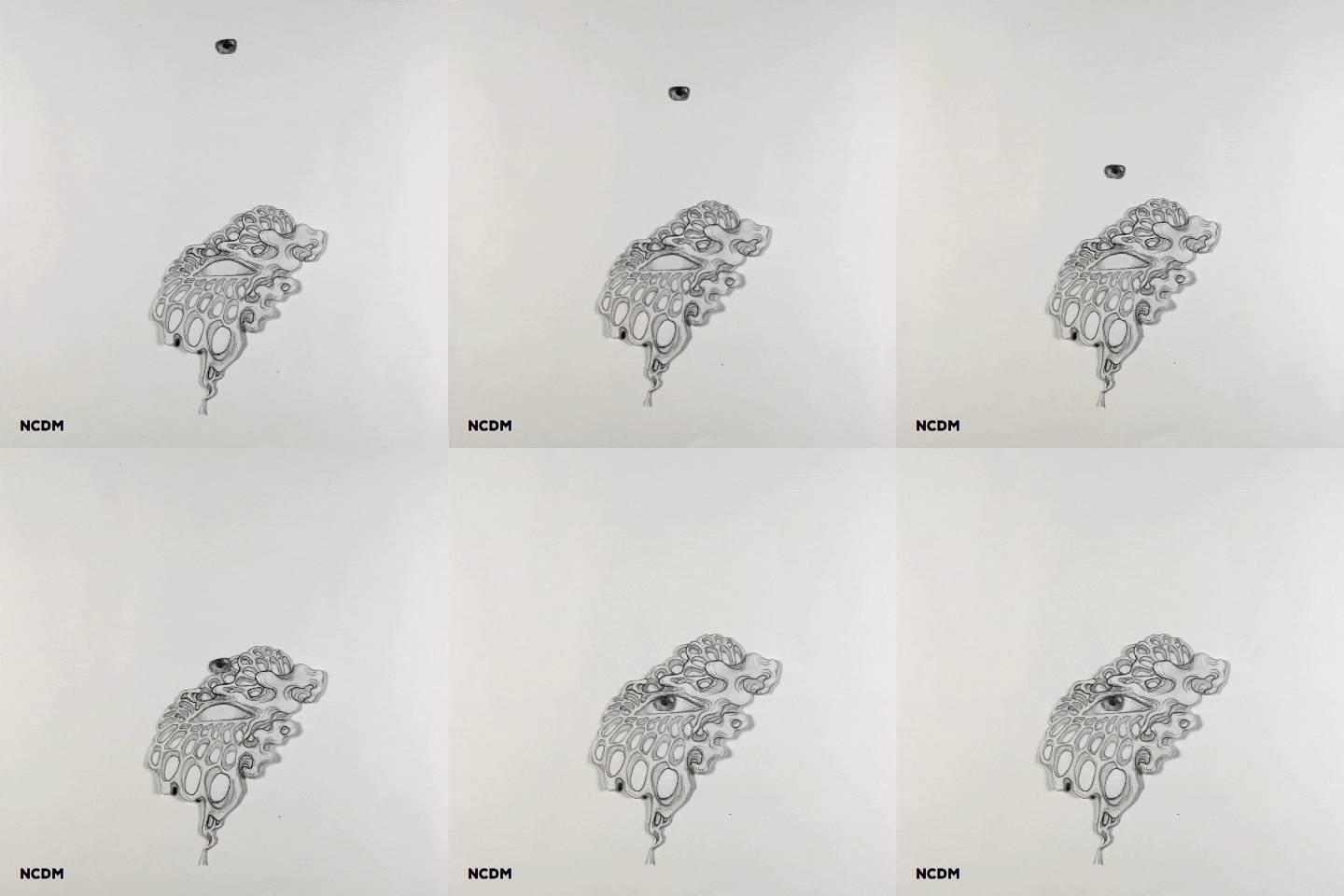
Seeing to Come Together: Inspired by Kiley Bense’s “How Learning to Draw can Help a Writer to See”
Graphite on paper by way of the digital world
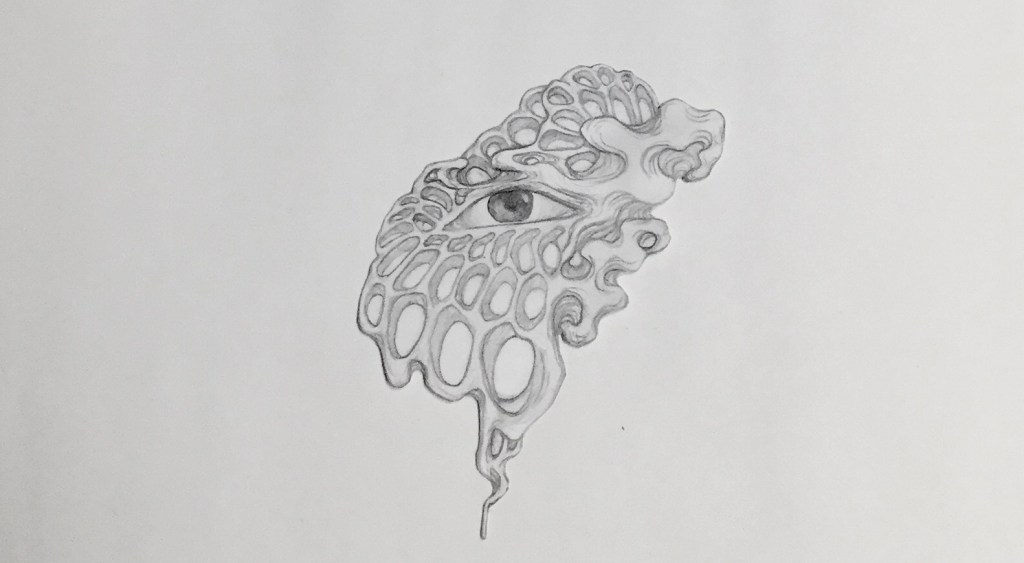
The Creative Meanderings #6: The Joys of Potent, Tiny Details
When we view art…we are climbing beneath the layers, into the skin, of our diverse human experience
Sometimes, the art world seems removed, full of open and empty rooms with quiet work waiting on walls. Sometimes, the art world seems harsh, fast, and reactive, with no time to process. Sometimes, the art world seems biased, trapped in money, and haunted by its origins.
In these instances, the question “Is art important?” seems necessary. In these instances, the answer is “Yes.” Art, in all its forms in all its times, embodies humans as we relate to each other and how these relations make up the cultures we call home.
When we interact with art, we exist, for a moment, within layers of the time and self, of imagination and creation, of corruption and kindness that have influenced artists and viewers alike. Art is a conduit through which we capture and preserve our imaginations, observations, experiences, and stories.
While observing art, we can step inside each other’s stories–climb into someone else’s skin beneath the layers of another world. Perhaps this is empathy, the process of “vicariously experiencing the feelings, thoughts, and experience” of another person.
The space within art and empathy calls our feelings to action. Whether the feelings are comfort or unsettlement or something in between, through these emotions and art, very human feelings bubble up. Soon, the passive act of observation becomes one of action: the act of seeing.
Really seeing art, similar to really seeing and experiencing our lives, is a process of noticing details: the fleeting, sometimes unnoticeable moments, as they accumulate, make up our lives. Similarly, skillful art can translate vast things into small details, details that express a story or history in a single gaze or touch of shadow.
As writer and editor Kiley Bense, in her article for Literary Hub, “How Learning to Draw Can Help a Writer to See,” writes:
“The details that leap out to you won’t be the same as the ones that stand out to others, because when you observe, you do so through the lens of your memories and knowledge, preferences and emotions.”
When we view art, we not only view the pigment, the subject, the artist’s intent, but we also see our own minds.
When we view art and let ourselves be affected by it, we learn to absorb the details and nuances of the life and world around us. When we view art—whether it be a still life painted in a quiet house, an exploration of emotion, a rebellion against convention, a commentary on injustice, or a portrait capturing a face lost to time—we are climbing beneath the layers, into the skin, of our diverse human experience.
Creative Prompt: Five Minutes on the Subtlety of Observation
- Observe something or someone for five minutes (if you choose to observe someone, respect their privacy and space–in other words, don’t be creepy).
- Record your observations in sketches or written descriptions.
- From your observations, choose a few small details about the subject that express something about the subject’s character or nature or the situation they were experiencing.
- Express your observations. Either write three paragraphs, estimate about 200 words, or draw either a very realistic or completely abstract representation.
- Share your observations.
287 days done, 78 to go.
 NadiaCDM